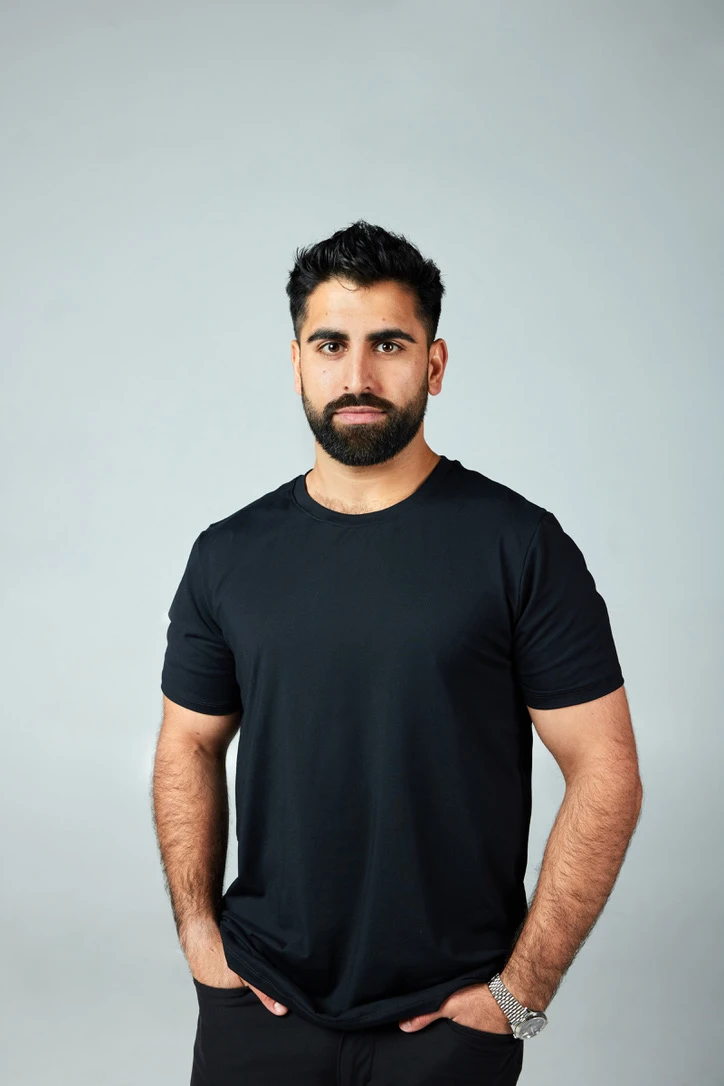
In a couple of weeks, I'll be speaking at Ecom World, and this year I'm going to do 2 sessions. One is a panel with Ryan Lewendon, who's a partner at Giannuzzi Lewendon, a law firm representing acquisitions like the BodyArmor exit but also helping companies like Banza, Celcius, Essentia, Hint, Olipop, Vita Coco, and others form, fundraise and scale. The TLDR on Ryan is he's one of the smartest minds in all of CPG legal.
The second talk I'm giving is by myself and it's around sustainable growth levers. I had touched on this a bit when I was on the Levels podcast with Ben Grynol, but I wanted to get tactical in this presentation. So, like with any big talk I give, I wanted to run some thoughts through this newsletter and get your candid feedback before going up on that virtual stage.
When launching today, the absolute hardest part is the zero to one. I would define "one" as where you understand why your product sells, who it sells to, what that customer uses it for, how the product benefits their life for a short/long period of time, and a point where you are comfortable in your internal operations to begin hitting the gas pedal.
One commonality I see among brands launched in the last 4 years, is they often try to hit the gas too aggressively, and turn to paid media, because it's simply easier to do. You have a dashboard in front of you, you choose who you want to see your content, you input a credit card, and you press "GO". Within hours, you can have your content shown in front of hundreds or thousands of people.
In any relationship with ads, you have to remember that you're leveraging what someone else (or another platform) has created for you. In the case of Facebook and Instagram ads, the platforms have worked hard to curate a user experience that gets people to open the apps multiple times a day, and you pay for the opportunity to be slotted somewhere in between those posts that people come to see. They're not coming for what you have to put out, but rather you're just sneaking in for a fee and hoping that it works out.
With any paid advertising, it's always a race between building brand equity, and running paid ads to people who might be familiar with your brand to take a lower-funnel action (a purchase, subscribing to your email list, etc). It's important that you're always leading with brand equity, otherwise, right away, you're going to be running inefficient media spend.
Running ads right out the gate after launch is a huge red flag, and is a narrative that was heavily pushed by venture capital dollars over the last 6 years. It simply doesn't work. Look at companies like Casper today... there is no soul to the company.
When you put a picture in Microsoft Word and stretch it from the corner, it gets blurry. Think of the image's resolution as your brand equity, and the stretching as your advertising. As you stretch the image, you need to ensure the quality is higher and higher. Otherwise, very quickly, you get a big image, but it's completely blurry. No one wants to see that.
So now that I've given some context, here are 3 concepts I think anyone can focus on that build into the soul of the brand, not just running ads with no payoff when the ads stop. The rest of the ads (there will be 10-15 total) will be in my Ecom World presentation. Oh, also, please reply with any feedback!
Collaborations & Partnerships
This is what I call the Pitbull strategy. Yes, the Mr 305, Mr. Worldwide strategy. As Pitbull was growing his own name and presence in the world of pop culture, he began collaborating with other artists to quickly get audience share from other top-charting artists, and it worked.
One of my favorite recent examples is the Canopy x The Skinny Confidential collab (see it here). Lauryn Evarts Bosstick (aka The Skinny Confidential) has about 1.5M followers online and launched a pink-colored Canopy. It sold out within 72 hours, and again when they restocked inventory. The collaboration put Canopy in front of an entirely new audience, and from a financial standpoint, it was likely a rev-share model, meaning Canopy only profited while getting in front of more eyeballs, versus spending on ads to do the same.
Another recent example is Brightland Oil's SKUs with Lavo, Sweetgreen, Food52, and others. They create a new olive oil variation to fit a brand partner with a large audience, and it becomes a sales channel that you couldn't normally tap into.
While this seems like quite the complicated setup, it all starts with sending an email with an idea to someone at the other brand/party. Send 10 of these and you'll see at least a couple of opportunities move closer to happening.
Creating Content for an Existing Audience
Creating content is hard, but distribution can be harder. That's why I commend founders like Christina Tosi, founder of Milk Bar, and Kyle Cooke, founder of LoverBoy.
Christina, using Netflix, and Kyle, using Bravo, have been able to build awareness through distribution avenues where an audience is already there. The content they provide to the networks/platforms is so good (in the eyes of the platform), and it becomes their "cost" to be there.
Good content will always earn eyeballs, and depending on the platform, it can be worth a lot more for a brand.
The OG example of this is Bethany Frankel with her brand Skinnygirl.
It's obviously harder to get this started since you need to get in or onto a platform with a large, engaged audience, but it's not impossible by any means.
Create Value through Tokens
This is something I think we'll see more of as time goes on. NFTs currently are seen mostly as "jpegs" or profile pictures on Twitter, but the underlying technology and monetary capabilities behind them are what I think will be appreciated in the years to come.
The punchline of this idea is: as a brand does better, and gets more desired, the value of the limited number of tokens, held by the brand's super-fans/super-consumers goes up, feeding back into the brand.
Recently, Liquid Death released an NFT project on the Ethereum blockchain, which definitely went against their entire mission of sustainability, but owning a Liquid Death NFT only makes you want to ensure the brand grows. If you are a token holder and you walk into CVS, you'll make sure the cans are nicely merchandised. If you're at a Live Nation venue, you might choose Liquid Death to get the sale over any other water. The better the brand does, the better your token will do, and the more your token will be worth.
The $200 token, today, can be worth 2x or 10x in a year.
What would be even cooler, is if there was some way to grant a percentage of the brand to token holders.
Could you see yourself implementing any of these 3 sustainable growth levers for your own brand?
On to some fun stuff...
Brand of the Week:
Twice — an oral care brand with a mission to provide free dentistry from its profits.
Twice just launched their new site and also quietly entered Target, nationwide, in beautiful yellow packaging, with higher AOV-priced kits. The founders, Cody and Julian, are also great guys themselves and have always built this brand with the best of intentions. I personally love the toothpaste too!
Try their Essentials Kit here!
I hope this week's email had some nuggets that are useful for you. Let me know what you think of the ideas — it'll help me refine them for Ecom World.
Go get those 9 hours of sleep tonight. If you wear a Whoop, go get that green recovery tonight!