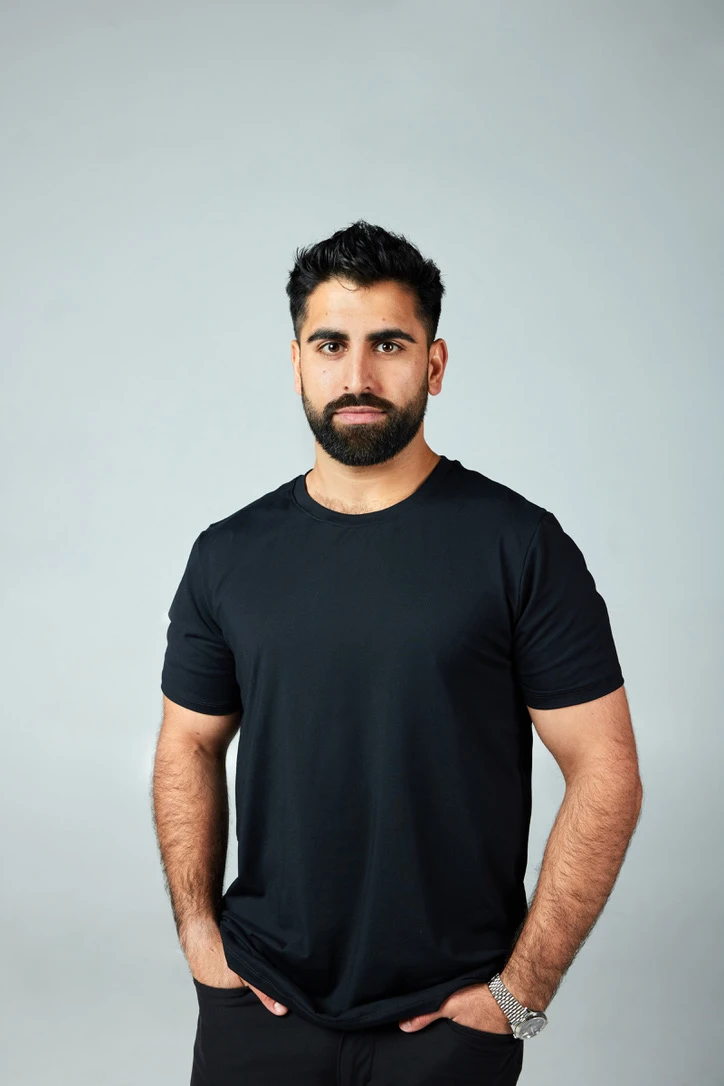
Happy Sunday!
If you’re reading this, I hope you’re feeling relaxed, enjoyed a rejuvenating weekend and you’re ready to get creative with copywriting. Today’s email was inspired by a consulting call I did this past week. But, before we get into that…
Vendor of the Week
Roku Ads Manager — CTV advertising made as easy as launching a Meta campaign.
I’m extra bullish on Roku and here’s why: streaming and shopping activity explodes on Roku during Q4. Black Friday weekend is actually Roku’s single busiest streaming period of the year. Millions of eyeballs glued to Roku = a massive opportunity for brands to get in front of holiday shoppers when it counts.
Honestly, if you know how to run a Meta ad, you can run a Roku ad. The setup feels just as straightforward: pick your objective, set a budget, choose your audience, upload creative, and launch. Plus, you can even connect your Shopify store in minutes. That means viewers can check out right from their TV with Roku’s shoppable Action Ads (yes, they can hit “Buy Now” with their remote… wild!). Roku basically gives you TV’s massive reach (125M+ households!) with the precision and simplicity of digital marketing. For example, you can:
- Launch campaigns in minutes: get your CTV ads live fast, no clunky TV buying process.
- Target and track: zero in on specific audiences and see exactly what they do (with clear attribution).
- Optimize for lower funnel: focus on the metrics that matter – site visits, add-to-carts, purchases.
- Make ads shoppable: deploy interactive ads that let viewers buy or sign up with their Roku remote.
Case in point: Fatty15. This brand plugged into Roku’s platform and turned their TV ads into a shoppable experience. The results? 120% ROAS and over 1 in 4 cart-adds converting into purchases. Those are legit performance metrics from a TV campaign, proving that connected TV is now a bottom-funnel channel, not just a top-of-funnel awareness play.
If you haven’t already, now’s the time to get on Roku. Q4 is here, and every day counts. Roku is even matching new advertisers’ first spend (spend $5,000, get $5,000 in credits) to sweeten the deal with code NIK5000 (terms apply). Set your Black Friday campaigns up for success with minimal hassle and maximum return.
👉 Sign up here to launch your first Roku Ads Manager campaign and make this Black Friday count!
Limited Supply
This past week on Limited Supply I spoke with Aaron Paul, founder of Paul Street, the affiliate marketing agency for challenger brands (HexClad, Todd Snyder, Jones Road Beauty, THORNE, Liquid IV, Hint, Neuro Gum, etc).
There are affiliates that we know about like coupon sites and influencers, but then there are bounty/CPA based affiliates that run ads from a brand’s own Instagram handle, but at a fixed CPA. We dove into all of it. Listen on Spotify, Apple Podcasts or YouTube!
One thing I plan to discuss in the future is digital subscriptions coming to eCommerce brands. OrderGroove put out a new whitepaper (no email needed to view) on the rise. Memberships were the early signs of it, and it’s only growing. Read it here.
Copy is everything — easy fixes to 10x performance
This past week, I did a MentorPass call with two brothers who have bootstrapped and scaled their business to $1M/month, and are on track to double it shortly. They asked me what some of the most important things to focus on are. Among new “underground” tactics and channels to test, one of the biggest recommendations was to rethink their copywriting.
Everything from their funnels, offers, and processes internally was super dialed in. The reason I strongly recommend copy as their next focus, is it forces you to rethink UX and put yourself in your potential customers’ shoes. Part of my follow-up was that I wanted to send over a list of notes when writing copy across the website, the ads, landing pages, etc. If you can, I recommend hiring a US-based copywriter to help you. If you can’t, use these tips to strengthen your funnels.
Write clean, not just well: When you write copy for mobile, try to make sure it fits evenly across lines. You don’t want one word hanging on a new line by itself; it’s not easy on the eyes. If it’s not easy on the eyes, you create reason for people to skip it.
Use UX to illustrate your copy: The more you can arrange copy within a design, the faster a site visitor can comprehend it. On the homepage of AG1 and IM8 Health, you’ll see price comparisons/breakdowns designed in a way that allows your brain to process it faster.
Ladder your copy to a single emotion and punchline: Write down the emotion you want someone to feel + the punchline for them to understand at the top of a document. Then when you write your ad, website, email or landing page copy, you can ensure that it all ladders back to those two starting thoughts.
Make CTAs fun: Never use “Learn more” or “Buy Now” or anything generic for your CTAs across the website pages. CTA copy should always encourage customers to move down the funnel in their thinking, or on to the next step. “Pick my color” or “Explore best sellers” are examples of CTAs that help you get to the next step, and know what it is.
Speak to benefits, not features: Value props like “Weighted hand-knit fabric” is a feature, but benefits are how your product changes the customer's life. “Fall asleep faster, easier,” or “The feeling of a never-ending hug” sounds more illustrative. Highlight benefits at a fifth-grade reading level. Make it concise and obvious.
Keep the copy short and punchy: Use brief sentences and simple words. Short, snappy copy is easier to read and keeps people engaged. See?
Use active voice: Speak directly and confidently. "Our serum clears acne fast" is stronger and clearer than "acne is cleared fast by our serum." Active voice makes your copy more impactful. What you say, people will believe. Avoid fancy buzzwords or insider terms. Use plain, simple language that anyone in your audience can understand without effort.
Write like you talk: Maintain a conversational tone as if you're chatting with a friend. This builds trust and your brand. If your brand is well-known, readers should hear your brand voice in their head as they read.
Tell a story: Weave in narratives to emotionally connect. Incorporate your founding story or customer’s own stories/testimonials into your copy.
Explain your "why" everywhere: Every ad, email, or text should remind people why your brand exists and the problem you solve. Brands that consistently communicate their purpose at every touchpoint turn more heads (and wallets).
Make it share-worthy: Create content your audience would screenshot and send to a friend or talk about over dinner. If your emails or posts only contain a sales pitch, you're missing the chance to engage and inspire.
Leverage social proof: Use customer testimonials, reviews, or press quotes to build trust. Pick proof that resonates with your target demo. The social proof source should be familiar with the audience you’re targeting, and the selected excerpt should reinforce the key benefit you promise.
Address objections upfront: Don't wait for customers to wonder or have doubts. Proactively answer common questions or hesitations in your copy. By handling concerns early, you reduce reasons not to buy.
Create urgency: When you’re running sales, give readers a reason to act now. Mention deadlines or limited availability to inject FOMO and push for immediate action.
Hook them with a question: Start your ad or headline with an intriguing question or a relatable problem. Getting a consumer to nod along and think "I've wondered that too..." is an instant attention-grabber that boosts CTRs.
Show what they're missing: Great ads often teach the reader why they're missing out by not being your customer. Paint the picture of the problem without your product, then offer the solution (think the Jolie water report). When done right, it’s more effective than any graphic.
Use numbers and "how-tos": In headlines, "how to" promises and list numbers (especially odd numbers like 7 or 11) tend to draw interest (not sure why, but thank you Buzzfeed!).
Don't confuse with inconsistent funnel messaging: Make sure the message that got the click (your ad copy) continues on the landing page. If your ad talks about solving dry skin, the landing page should immediately continue that story and not start a whole new topic.
Treat your cart like a sales page: Don’t neglect the checkout/cart page copy. Include reviews, guarantees, or reminders of free returns right in the cart. It’s the last chance to reassure and convert a shaky shopper.
Design for quick scans: Format copy so it’s easy to skim. Use bold headings, bullet points, and short paragraphs. Assume the reader is a grandmother on an old iPhone, with bad internet. They should grasp key points even if they only glance over your text (and illustrations!).
Optimize emails for opens and clicks: Keep email subject lines under ~50 characters so they don’t get cut off. Treat the preview text as a secondary headline.
Keep SMS short and friendly: When you text customers, write as if you're texting a friend. Be brief, use a casual tone, and get to the point with a clear value or offer! Nobody wants a novel or robotic promo via SMS.
Test, learn, and iterate: Never assume your first copy is the best. A/B test different headlines, body copy, and CTAs continuously. Let the data inform what wording actually drives more clicks or sales, then refine and repeat.
That's all for this week
Today’s newsletter was shorter on purpose, but hopefully still felt packed in with value and tips to help make your copy stronger. If there’s anything you’d add to this list, reply with your addition.
It’s Sunday night, which means you should be getting 9 hours of sleep before you go into tomorrow. Q4 has officially began. Make sure you take care of yourself and stay healthy as we go into hibernation / grind mode.
I’ll see you next Sunday!